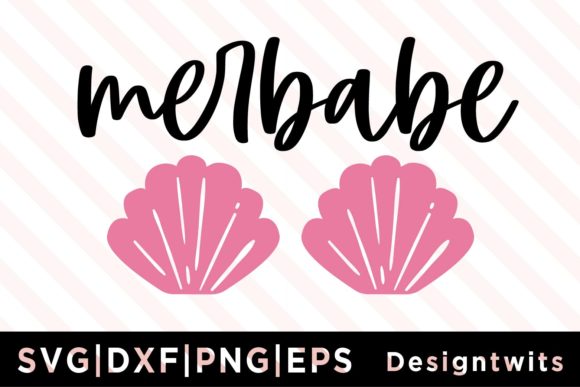
Merbabe SVG: A Closer Look
As an embroidery designer and product reviewer, I’ve seen my fair share of digital files that promise a lot but deliver little. Merbabe SVG is one that stands out for its clean aesthetic and practicality, especially when it comes to custom apparel and small business projects. But before jumping into using it in real-world applications, it’s important to evaluate how it performs across different fabrics, hoop sizes, and design needs.
The First Impression
Merbabe SVG has a soft, playful vibe that feels perfect for casual wear and handmade gifts. The design layout is simple yet effective, with a balanced composition that doesn’t overwhelm the space. It’s clear that this was designed with everyday use in mind—whether it’s a mug, t-shirt, or tote bag. The level of detail is just right, not too intricate to cause issues during stitching but still visually engaging enough to catch the eye.
The theme is modern and approachable, making it ideal for baby items, holiday gifts, or personalized products. It doesn’t scream “over-the-top,” which is a plus if you’re looking for something that can blend into a variety of styles without clashing.
Real-World Embroidery Performance
When testing Merbabe SVG on different fabrics, it holds up well on standard cotton and polyester blends. The stitch density is manageable, which means it won’t cause puckering or distortion on most materials. However, it’s worth noting that the design might struggle on very thin or stretchy fabrics, where the stabilizer becomes crucial.
For custom apparel like sweatshirts and t-shirts, Merbabe SVG works nicely as a front or back design. It also translates well to tote bags and aprons, where the size allows for proper visibility without being too cramped. The design isn’t ideal for small hoop sizes, so if you’re working on a patch or a cap, you may need to adjust the file or split it into sections.
One thing to keep in mind is that the design’s simplicity makes it versatile, but it also means that the visual impact relies heavily on thread color choices. Using bold, contrasting colors can make a big difference, especially on dark fabrics.
Where to Use It Carefully
While Merbabe SVG is great for many projects, there are a few areas where caution is advised. On textured fabrics, such as denim or corduroy, the design may not sit as smoothly as on a flat weave. Similarly, on thin or stretchy materials, the stabilizer must be properly applied to prevent shifting during stitching.
Detailed corners and tiny lettering could be problematic if the design isn’t scaled correctly. For embroidered patches or applique designs, it’s best to test the file on scrap fabric first to ensure the details remain intact. Also, if you plan to use it on curved surfaces like caps or hats, you may need to adjust the design slightly for better fit and appearance.
On dark fabric backgrounds, the design may appear less vibrant unless the thread colors are carefully selected. Black and white mockups can help visualize how the final product will look, especially if you’re creating printable mockups for clients or Etsy listings.
Impact on Visual Appeal and Customer Perception
Merbabe SVG adds a touch of personality to any project without being overwhelming. Its clean lines and friendly shape make it appealing for both personal and commercial use. When used on handmade products, it enhances the overall presentation, giving customers a sense of quality and care.
From a branding perspective, the design can be a valuable asset for small shop products or boutique merchandise. It’s easy to recognize, which helps with brand consistency, and it can be used across multiple items, from baby clothes to holiday gifts. For Etsy sellers, this kind of design can increase buyer engagement by offering something unique yet accessible.
Customer trust is built through consistency and quality, and Merbabe SVG supports that. It’s a design that feels professional yet approachable, making it a good fit for both handmade and commercial embroidery projects.
Practical Designer Notes
Before committing to a project, always test Merbabe SVG on scrap fabric. This helps identify any potential issues with stitch density, thread color contrast, or fabric compatibility. It’s also a good idea to review the design in both light and dark backgrounds to see how it performs in different settings.
If you’re planning to sell finished products or digital embroidery files, make sure to confirm the licensing terms. While the product description mentions mugs and t-shirts, specifics about commercial use should be verified. Proper stabilizer use is essential, especially on delicate or stretchy materials, to ensure the design stays in place after stitching.
For custom apparel and embroidered patches, the design works well as long as the hoop size is appropriate. If you’re working on a larger project, consider breaking the design into smaller sections to avoid overloading the machine. Lastly, always check the file format and compatibility with your embroidery machine to avoid any last-minute surprises.
Final Thoughts
Merbabe SVG is a solid choice for designers looking for a clean, adaptable design that works well on a variety of projects. It’s particularly useful for small business owners, crafters, and Etsy sellers who want to add a personal touch to their products without overcomplicating the process. With the right adjustments and attention to detail, it can elevate a handmade product and enhance customer satisfaction.
Whether you’re creating a custom tote bag, a baby onesie, or a holiday gift, Merbabe SVG offers a balance of style and functionality. Just remember to test it thoroughly and consider the fabric and project requirements before moving forward. It’s a design that rewards careful handling and thoughtful application.